in today's network security environment, american high-defense servers are widely used because of their powerful protection capabilities. however, as cyberattack methods continue to evolve, these servers are not invulnerable. this article will provide an in-depth analysis of common vulnerabilities in u.s. high-defense servers , understand their potential risks, and provide effective protection suggestions to help enterprises improve their network security capabilities.
high-defense servers usually refer to servers with strong protection capabilities, which can effectively resist ddos attacks and other network security threats. such servers are usually deployed in data centers and use multi-layer protection mechanisms to ensure the security of user data. however, with the development of technology, attackers are constantly looking for new breakthroughs, resulting in high-defense servers that may have some security vulnerabilities.
the vulnerabilities of high-defense servers are mainly concentrated in the following aspects: first, configuration errors. when many companies deploy high-defense servers, they may cause improper configuration due to lack of professional knowledge, leaving security risks. second, software updates lag behind, and operating systems and applications are not updated in a timely manner, making it easy for attackers to exploit known vulnerabilities. the third is application vulnerabilities. if there are security vulnerabilities in the applications running on some high-defense servers, they may also become targets of attacks.
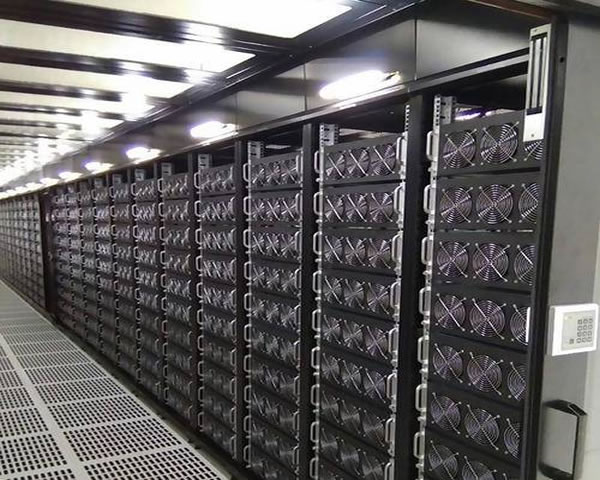
vulnerabilities in high-defense servers may not only lead to data leakage, but may also lead to more serious consequences. for example, attackers can exploit these vulnerabilities to conduct ddos attacks, causing service interruptions and affecting the normal operations of enterprises. in addition, the theft of sensitive information can cause financial losses and reputational damage. therefore, understanding these risks and taking measures to protect them is a challenge that every enterprise must face.
in order to effectively improve the protection capabilities of high-defense servers, enterprises should take the following measures: first, conduct regular security audits to promptly discover and repair configuration errors and vulnerabilities. second, make sure all software and systems are kept up to date and security patches are applied promptly. in addition, enterprises should also strengthen security training for employees and improve their awareness of network security to reduce security risks caused by human errors.
using advanced network monitoring and protection tools is also an effective way to improve the security of high-defense servers. these tools can monitor network traffic in real time, identify abnormal activity, and issue timely alerts. at the same time, security protection systems combined with artificial intelligence technology can more accurately identify potential threats and improve response speed. in addition, enterprises can consider using firewalls and intrusion detection systems to add multiple layers of protection.
as cyberattack methods continue to evolve, enterprises must remain vigilant and develop flexible response strategies. first, conduct regular penetration tests to simulate the behavior of an attacker to identify weaknesses in the system. secondly, establish an emergency response mechanism so that once a security incident occurs, we can respond quickly and reduce losses. in addition, businesses should work with a cybersecurity service provider to obtain professional security support and advice.
us high-defense servers play an important role in enhancing network security, but their potential vulnerabilities cannot be ignored. enterprises should pay attention to the security management of high-defense servers and improve protection capabilities through regular audits, timely updates, and enhanced employee training. at the same time, combined with modern network monitoring tools and emergency response mechanisms, it can effectively respond to future network attacks. to protect an enterprise's digital assets, from now on, improving security awareness and protection capabilities is the best strategy to deal with cyber threats.
- Latest articles
- vietnam vps cn2 comparison test latency throughput and stability evaluation complete report
- troubleshooting and resolving techniques for korean pubg server packet loss and jitter issues
- how to test ip is a common misjudgment scenario native to hong kong and how to accurately troubleshoot
- user case successful deployment of korean native cloud servers in e-commerce and games
- the combination of american 200g high-defense servers and cloud-native architecture improves the anti-attack resilience solution
- security reinforcement and compliance inspection protect the production environment on native thai vps
- application tips of long-term operation and maintenance cost analysis when choosing server hosting in german computer room
- hong kong station group hengchuang technology trust survey and in-depth analysis of cooperation cases
- What are the advantages of Hong Kong CN2 servers in live streaming and online education scenarios?
- Popular tags
-

industry reputation and evaluation of cera computer room server hosting
in-depth discussion of the industry reputation and evaluation of cera computer room server hosting, and analysis of its service quality, user experience and market competitiveness. -

detailed explanation of frequently asked questions about server rental and hosting in the united states and comparison of packages
comprehensive analysis of frequently asked questions about server rental and hosting in the united states, covering bandwidth, hardware, computer rooms, data security, management services and package comparisons, to help enterprises and developers make scientific purchases. -

the best configuration and selection of american enterprise servers
this article explores the optimal configuration and selection of american enterprise servers to help enterprises choose the right server to meet their business needs.